HMPUBLISHERHMPUBLISHER
Community Medicine and Education JournalCommunity Medicine and Education JournalHyperuricemia management relies heavily on synthetic xanthine oxidase inhibitors, which possess adverse effect risks. This pilot trial evaluates the short-term clinical effects of a standardized Syzygium polyanthum (Indonesian bay leaf) tea infusion on serum uric acid levels in a primary care setting, standardizing conventional preparation methods. A quasi-experimental, pre- and post-test controlled pilot trial was conducted at a community health center on Sumatra Island, Indonesia. Twenty-four adults with hyperuricemia were purposively assigned (alternating days of presentation) to an intervention group (n=12) or a control group (n=12). The intervention comprised 2.0 grams of standardized S. polyanthum tea infused at 80 degrees Celsius for 1 to 3 minutes, consumed twice daily for seven days. Both groups underwent monitored dietary purine restriction. Serum uric acid was evaluated via capillary analysis. The intervention cohort exhibited a statistically significant reduction in median serum uric acid from 8.1 mg/dL (Interquartile Range [IQR]: 7.4–8.9) to 6.9 mg/dL (IQR: 6.2–7.5) (p=0.034). The control group showed no significant alteration (median 8.0 mg/dL to 7.9 mg/dL; p=0.299). Intervention compliance was 95.4%, with no adverse gastrointestinal events reported. In conclusion, standardized S. polyanthum tea infusion significantly reduces serum uric acid over seven days, presenting a culturally syntonic and safe complementary intervention for primary healthcare frameworks, though extended treatment may be required to reach optimal clinical targets below 6.0 mg/dL.
This pilot study demonstrates that a standardized 2.0-gram Syzygium polyanthum tea infusion, administered twice daily, effectively lowers serum uric acid levels in hyperuricemic adults over a seven-day period.The intervention operates through a combination of hepatic xanthine oxidase inhibition and enhanced renal diuresis.While the results are promising, longer treatment durations are necessary to achieve and maintain serum uric acid levels consistently below the 6.0 mg/dL threshold for optimal clinical outcomes.
Future research should investigate the optimal duration of Syzygium polyanthum tea infusion treatment to achieve sustained serum uric acid control below 6.0 mg/dL, considering individual patient characteristics and metabolic profiles. Further studies are needed to explore the specific mechanisms underlying the observed diuretic effects of S. polyanthum, potentially focusing on the role of essential oils and their impact on renal hemodynamics. Finally, large-scale, randomized controlled trials are crucial to confirm the long-term safety and efficacy of standardized S. polyanthum tea infusion as a complementary therapy for hyperuricemia, and to assess its potential integration into primary healthcare systems, particularly in regions where the plant is culturally significant and readily available. These investigations should also explore the potential synergistic effects of combining S. polyanthum with dietary modifications and other lifestyle interventions to optimize patient outcomes and reduce the reliance on synthetic medications.
| File size | 1.17 MB |
| Pages | 14 |
| DMCA | Report |
Related /
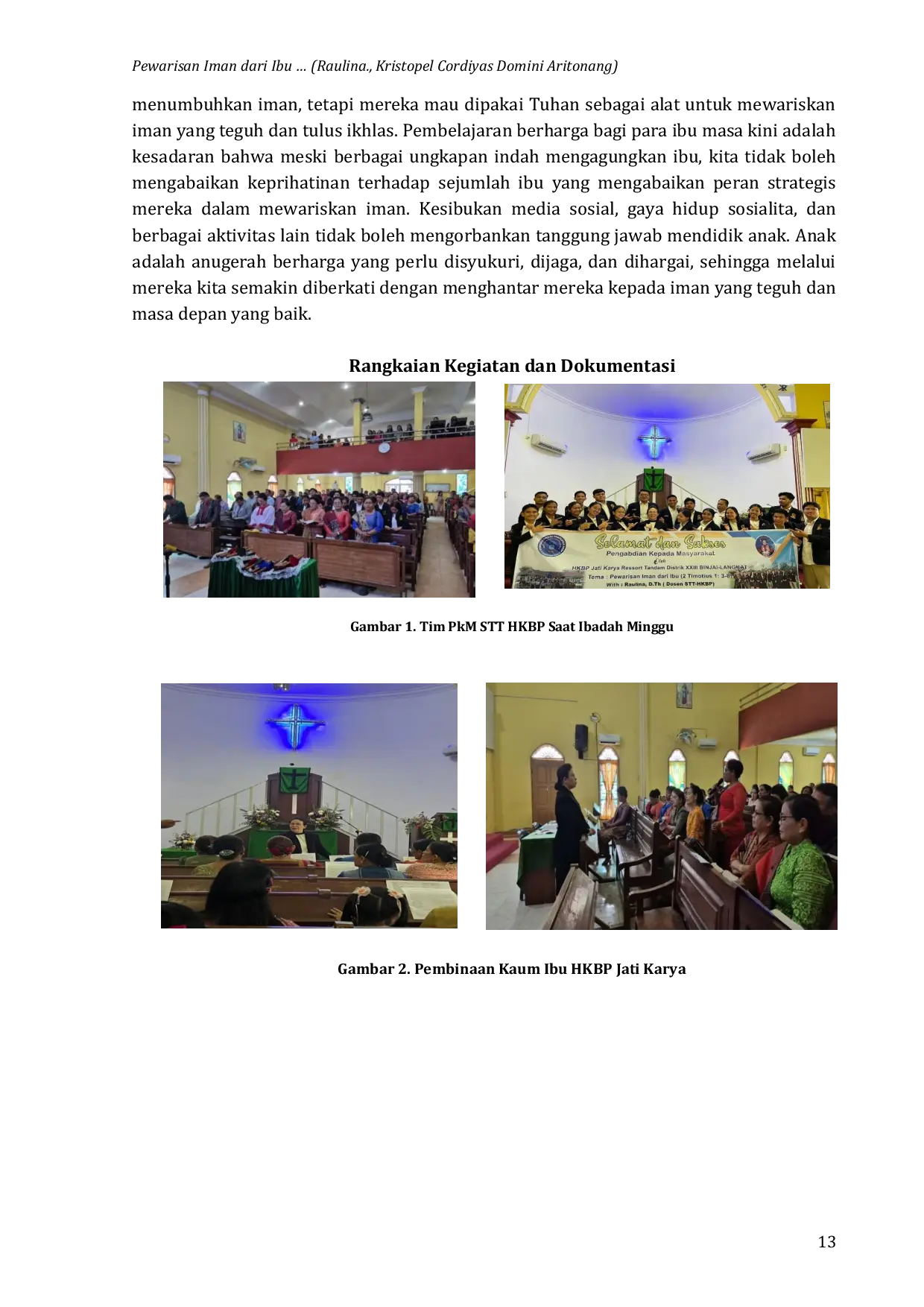
STTSETIASTTSETIA Program activities included spiritual formation, structured group discussions, and student mentorship, with students serving as facilitators at HKBP JatiProgram activities included spiritual formation, structured group discussions, and student mentorship, with students serving as facilitators at HKBP Jati
EJURNALILMIAHEJURNALILMIAH Despite these challenges, the community demonstrates adaptability, with many farmworkers finding alternative income sources, highlighting the need forDespite these challenges, the community demonstrates adaptability, with many farmworkers finding alternative income sources, highlighting the need for
BALIMEDICALJOURNALBALIMEDICALJOURNAL Penelitian ini bertujuan untuk menyelidiki hubungan antara grading infiltrasi lemak otot multifidus dan derajat arthropati sendi facet pada pasien denganPenelitian ini bertujuan untuk menyelidiki hubungan antara grading infiltrasi lemak otot multifidus dan derajat arthropati sendi facet pada pasien dengan

UIRUIR Artikel ini menyelidiki konsep pendidikan anak dalam Islam melalui perspektif Ibnu Sina, seorang ilmuwan dan filosof terkemuka pada abad ke-11. MetodeArtikel ini menyelidiki konsep pendidikan anak dalam Islam melalui perspektif Ibnu Sina, seorang ilmuwan dan filosof terkemuka pada abad ke-11. Metode

POLTEKMUPOLTEKMU Sebanyak 50 orang masyarakat yang hadir dalam penyuluhan kesehatan, sebanyak 34 orang melakukan pemeriksaan darah (asam urat dan glukosa sementara), sebanyakSebanyak 50 orang masyarakat yang hadir dalam penyuluhan kesehatan, sebanyak 34 orang melakukan pemeriksaan darah (asam urat dan glukosa sementara), sebanyak
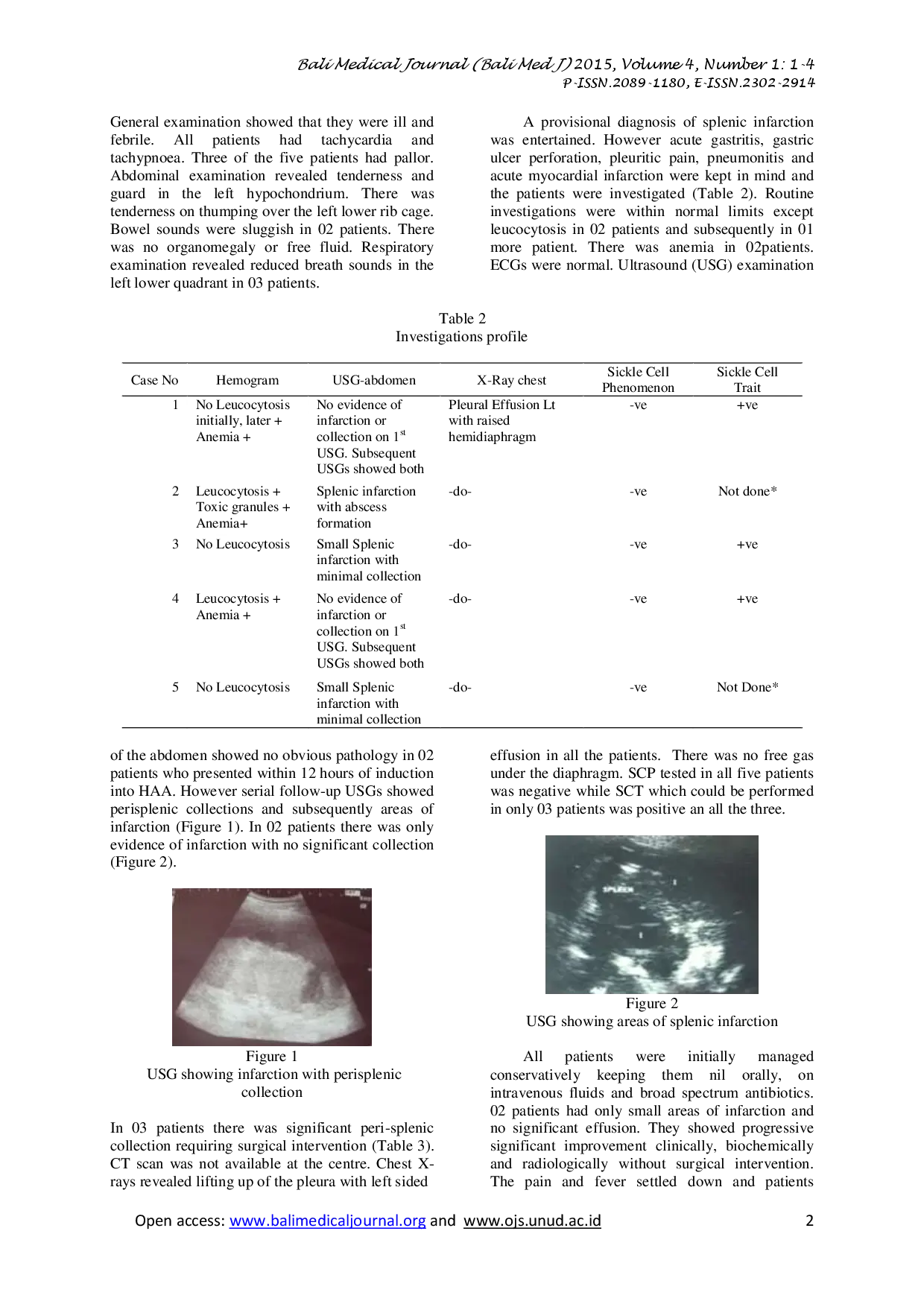
BALIMEDICALJOURNALBALIMEDICALJOURNAL Pasien dapat mengalami nyeri abdomen atas yang mendadak dan gejala konstitusional. Investigasi kemungkinan menunjukkan leukositosis, pergeseran hemidiaphragmPasien dapat mengalami nyeri abdomen atas yang mendadak dan gejala konstitusional. Investigasi kemungkinan menunjukkan leukositosis, pergeseran hemidiaphragm

BALIMEDICALJOURNALBALIMEDICALJOURNAL Hasil: Deterjen pada konsentrasi 0,12 g/L, 0,14 g/L, 0,16 g/L, 0,18 g/L, 0,20 g/L, 0,22 g/L, dan 0,24 g/L menghasilkan mortalitas larva sebesarHasil: Deterjen pada konsentrasi 0,12 g/L, 0,14 g/L, 0,16 g/L, 0,18 g/L, 0,20 g/L, 0,22 g/L, dan 0,24 g/L menghasilkan mortalitas larva sebesar

BALIMEDICALJOURNALBALIMEDICALJOURNAL Kista ovarium pada kehamilan harus dipantau dengan cermat karena prognosisnya tidak dapat diprediksi. Diagnosis dini, intervensi tepat waktu, dan tepatKista ovarium pada kehamilan harus dipantau dengan cermat karena prognosisnya tidak dapat diprediksi. Diagnosis dini, intervensi tepat waktu, dan tepat
Useful /
STIES PURWAKARTASTIES PURWAKARTA Sebaliknya, variabel gratis ongkos kirim berpengaruh signifikan (thitung 6,481 > ttabel 1,981; sig. 0,000 < 0,05). Secara simultan, diskon dan gratis ongkosSebaliknya, variabel gratis ongkos kirim berpengaruh signifikan (thitung 6,481 > ttabel 1,981; sig. 0,000 < 0,05). Secara simultan, diskon dan gratis ongkos
STIES PURWAKARTASTIES PURWAKARTA Tujuan penelitian ini untuk menganalisis sistem pengupahan pada CV. Hanami Electrindo Citalang Purwakarta serta menilai kesesuaiannya dengan perspektifTujuan penelitian ini untuk menganalisis sistem pengupahan pada CV. Hanami Electrindo Citalang Purwakarta serta menilai kesesuaiannya dengan perspektif

BALIMEDICALJOURNALBALIMEDICALJOURNAL haemolyticus. Kesimpulan: Pada pasien prostatitis, diagnosis etiologis sangat penting. Multiplex PCR dapat mendeteksi mikroorganisme meskipun kultur urinehaemolyticus. Kesimpulan: Pada pasien prostatitis, diagnosis etiologis sangat penting. Multiplex PCR dapat mendeteksi mikroorganisme meskipun kultur urine

BALIMEDICALJOURNALBALIMEDICALJOURNAL Regional anesthesia memiliki efek anti-inflamasi yang menghambat serat C sehingga mengurangi produksi sitokin dan aktivitas saraf simpatis. Nyeri pascaoperasiRegional anesthesia memiliki efek anti-inflamasi yang menghambat serat C sehingga mengurangi produksi sitokin dan aktivitas saraf simpatis. Nyeri pascaoperasi