IOCSCIENCEIOCSCIENCE
VertexVertexThis research explores the optimization of evacuation routes amid volcanic eruptions around Mount Sinabung, employing sophisticated pathfinding algorithms the Bellman Ford and Floyd Warshall algorithms. Leveraging diverse datasets encompassing geographical, demographic, and historical information, the study aims to identify optimal evacuation paths considering factors such as terrain conditions, population distribution, and real-time adaptability. The studys methodology involves the integration of geospatial data, historical eruption records, and infrastructure details into structured graph representations, enabling algorithmic route computations. Comparative analyses of the Bellman Ford and Floyd Warshall algorithms highlight their strengths, limitations, and applicability in dynamic volcanic scenarios, offering nuanced insights into their performance. The findings reveal optimized evacuation routes that prioritize safety, efficiency, and inclusivity, catering to diverse demographic needs. Additionally, future research directions outlined for refining pathfinding algorithms stress the importance of interdisciplinary collaboration, technological advancements, and community-centric approaches in enhancing disaster preparedness and response strategies. This research contributes to the evolving landscape of disaster management by offering evidence-based insights, actionable recommendations, and a roadmap for policymakers, emergency responders, and local authorities.
The analysis successfully identified optimal evacuation routes considering terrain, population, and real-time adaptability.The study emphasized the importance of dynamic adaptability in evacuation planning, allowing for adjustments based on changing volcanic conditions.These findings offer a blueprint for strategic resource allocation, policy formulation, and community engagement to minimize the impact of volcanic disasters and safeguard lives.
Future research should focus on integrating real-time data streams from IoT devices and social media to enhance the algorithms responsiveness to changing conditions. Furthermore, developing dynamic risk assessment models that continuously evaluate volcanic hazards and their impact on evacuation routes is crucial. Finally, exploring machine learning techniques to optimize routes dynamically, considering a broader range of parameters, will improve route efficiency and adaptability, ultimately contributing to more effective disaster response strategies and community resilience. These advancements will require interdisciplinary collaboration and a commitment to community-centric approaches to ensure the development of robust and practical solutions for mitigating the risks associated with volcanic eruptions.
| File size | 399.14 KB |
| Pages | 14 |
| DMCA | Report |
Related /

UMTUMT Metode penelitian meliputi studi literatur, observasi proses bisnis, dan wawancara dengan pemangku kepentingan. Sistem dikembangkan menggunakan LaravelMetode penelitian meliputi studi literatur, observasi proses bisnis, dan wawancara dengan pemangku kepentingan. Sistem dikembangkan menggunakan Laravel

UNPRIUNPRI Pengadilan Negeri merupakan institusi peradilan yang berada dalam lingkungan Pengadilan Umum dan berlokasi di ibu kota kabupaten atau kota. Pengajuan izinPengadilan Negeri merupakan institusi peradilan yang berada dalam lingkungan Pengadilan Umum dan berlokasi di ibu kota kabupaten atau kota. Pengajuan izin
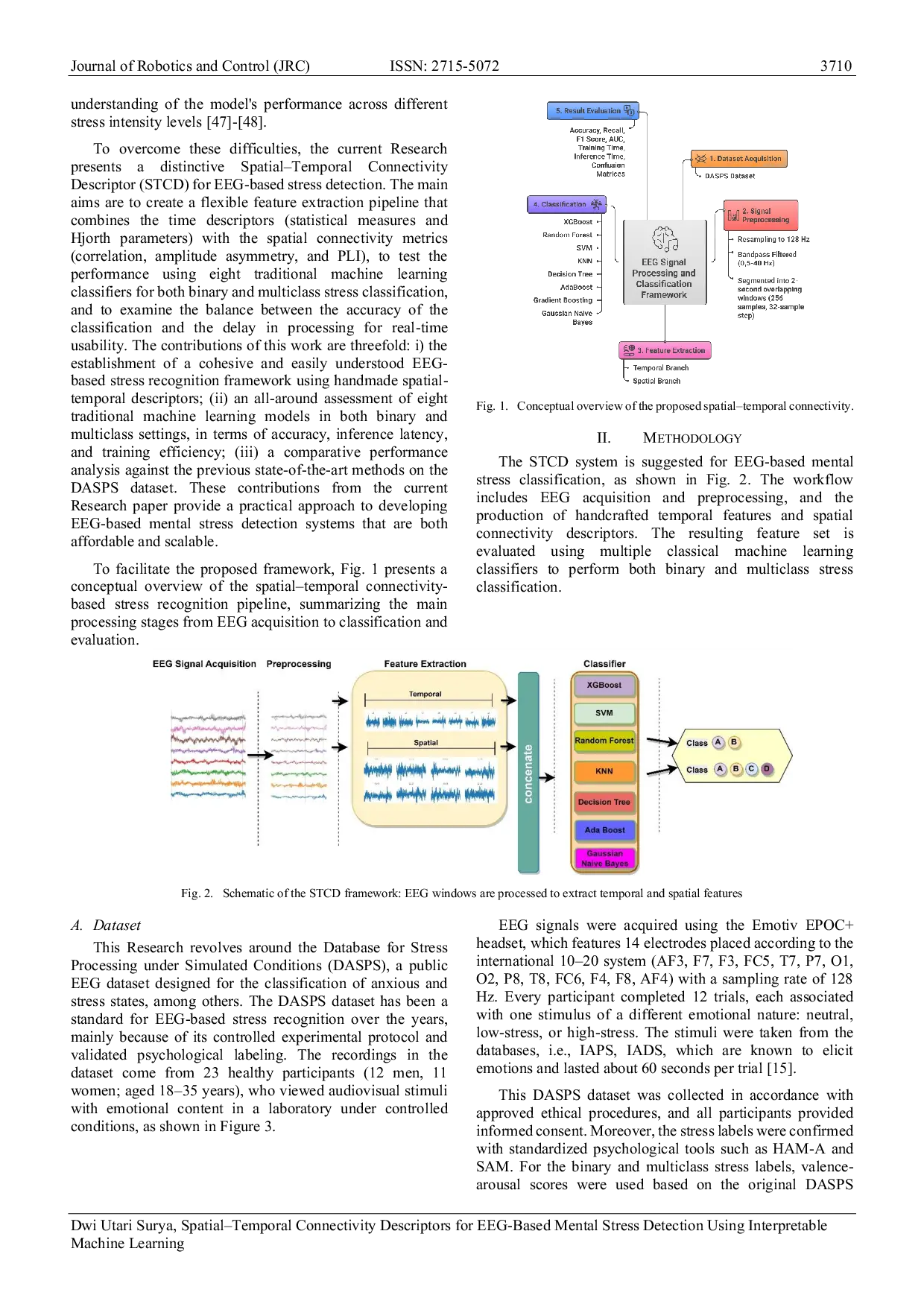
UMYUMY Selain itu, XGBoost memberikan keseimbangan yang menguntungkan antara akurasi dan efisiensi komputasi, mencapai latensi inferensi rendah (0,0015 detik).Selain itu, XGBoost memberikan keseimbangan yang menguntungkan antara akurasi dan efisiensi komputasi, mencapai latensi inferensi rendah (0,0015 detik).
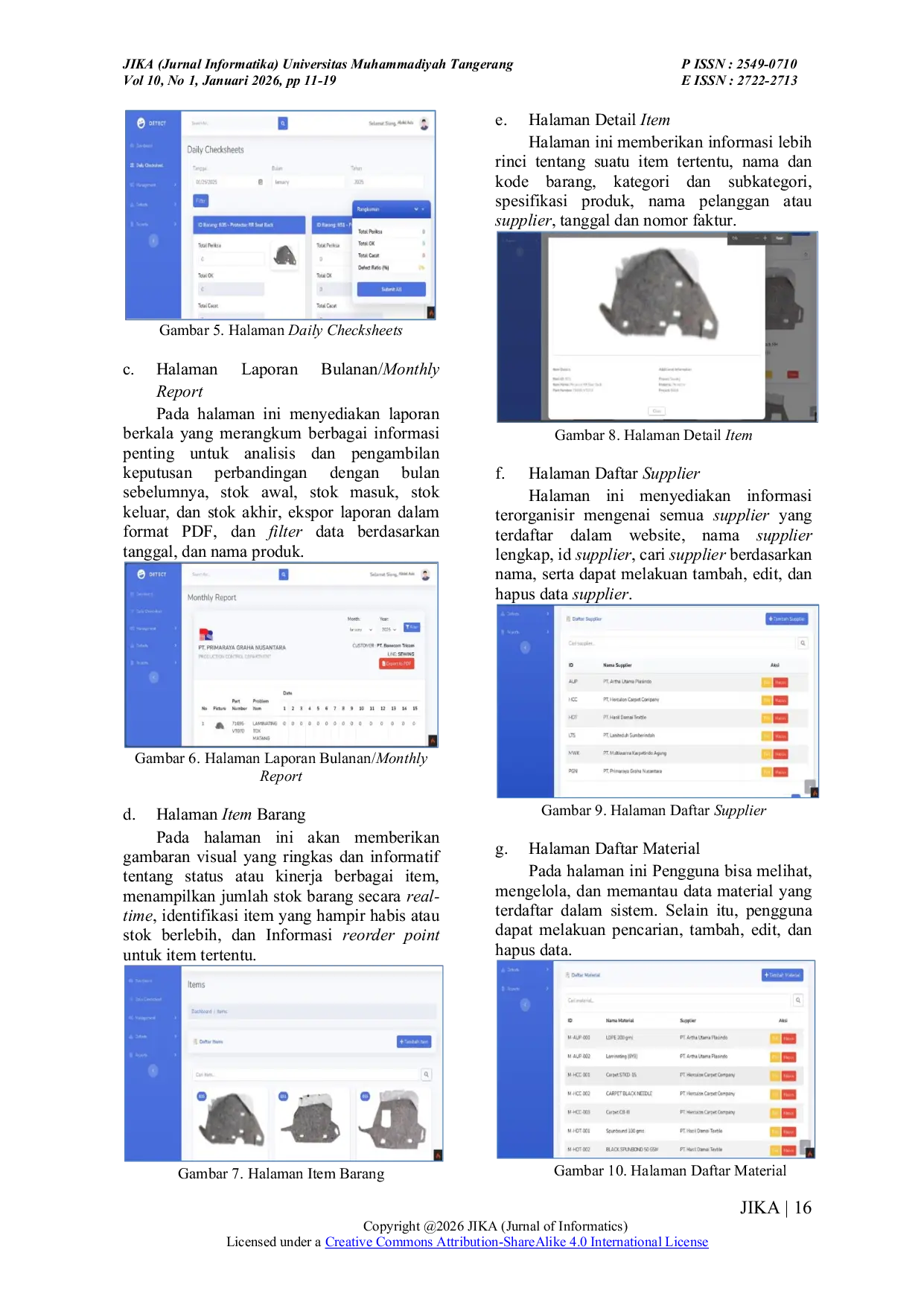
UMTUMT Staff QC harus merekap secara manual data cacat produk selama satu bulan dengan teliti. Hal ini sangat mempengaruhi akurasi perhitungan defect ratio bulanan.Staff QC harus merekap secara manual data cacat produk selama satu bulan dengan teliti. Hal ini sangat mempengaruhi akurasi perhitungan defect ratio bulanan.

UMTUMT Metode PCQ digunakan untuk membagi bandwidth secara adil dan otomatis kepada setiap pengguna dalam satu divisi, sedangkan Queue tree dimanfaatkan untukMetode PCQ digunakan untuk membagi bandwidth secara adil dan otomatis kepada setiap pengguna dalam satu divisi, sedangkan Queue tree dimanfaatkan untuk
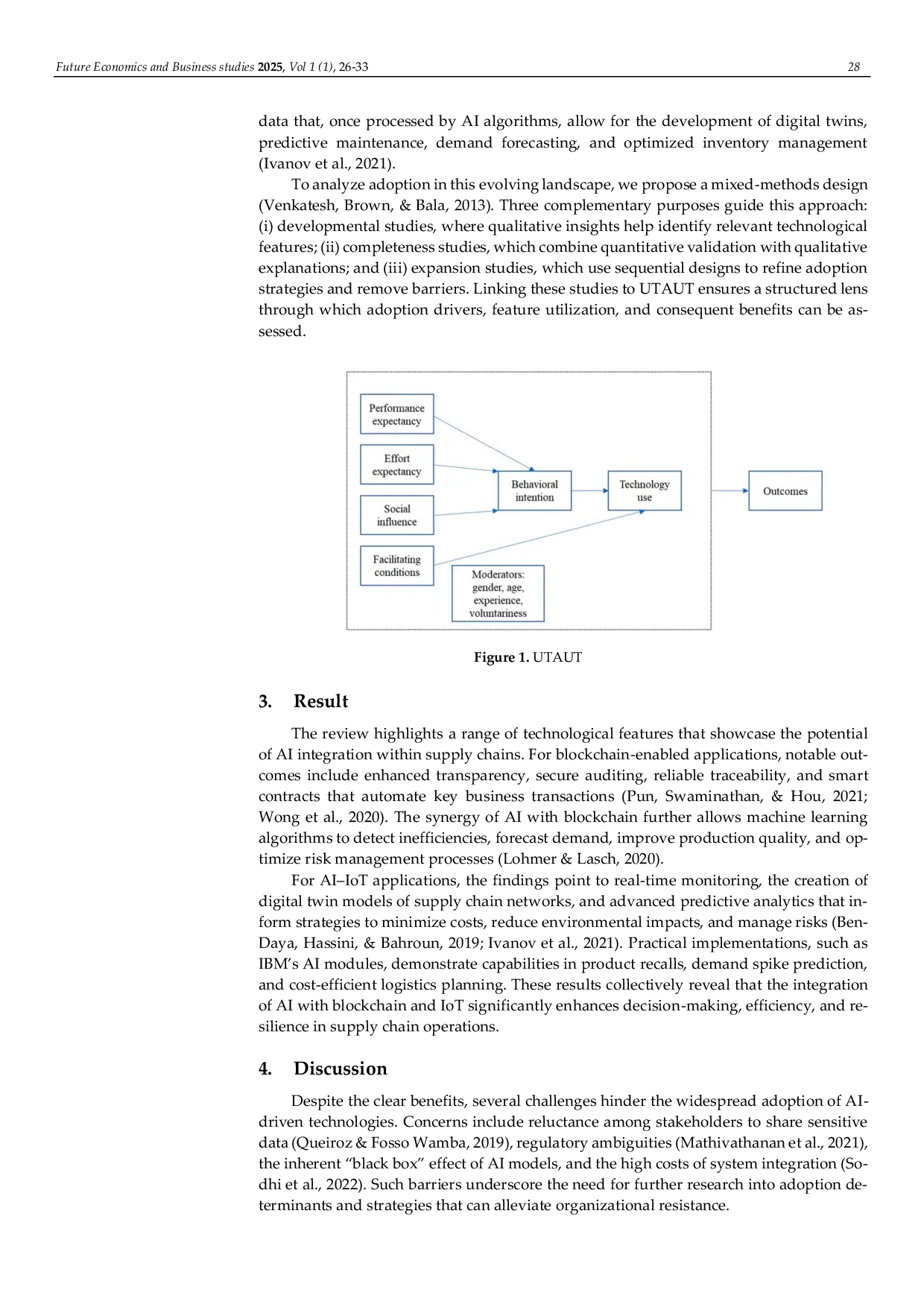
GARUDARISETIDGARUDARISETID Penelitian ini mengusulkan agenda riset yang menggabungkan Unified Theory of Acceptance and Use of Technology (UTAUT) dengan pendekatan mixed‑methodsPenelitian ini mengusulkan agenda riset yang menggabungkan Unified Theory of Acceptance and Use of Technology (UTAUT) dengan pendekatan mixed‑methods

UNTANUNTAN Penelitian ini berhasil mengoptimalkan fungsi objektif untuk deteksi dini kegagalan isolasi menggunakan metode Fuzzy c-Means.metode yang dikembangkan menunjukkanPenelitian ini berhasil mengoptimalkan fungsi objektif untuk deteksi dini kegagalan isolasi menggunakan metode Fuzzy c-Means.metode yang dikembangkan menunjukkan
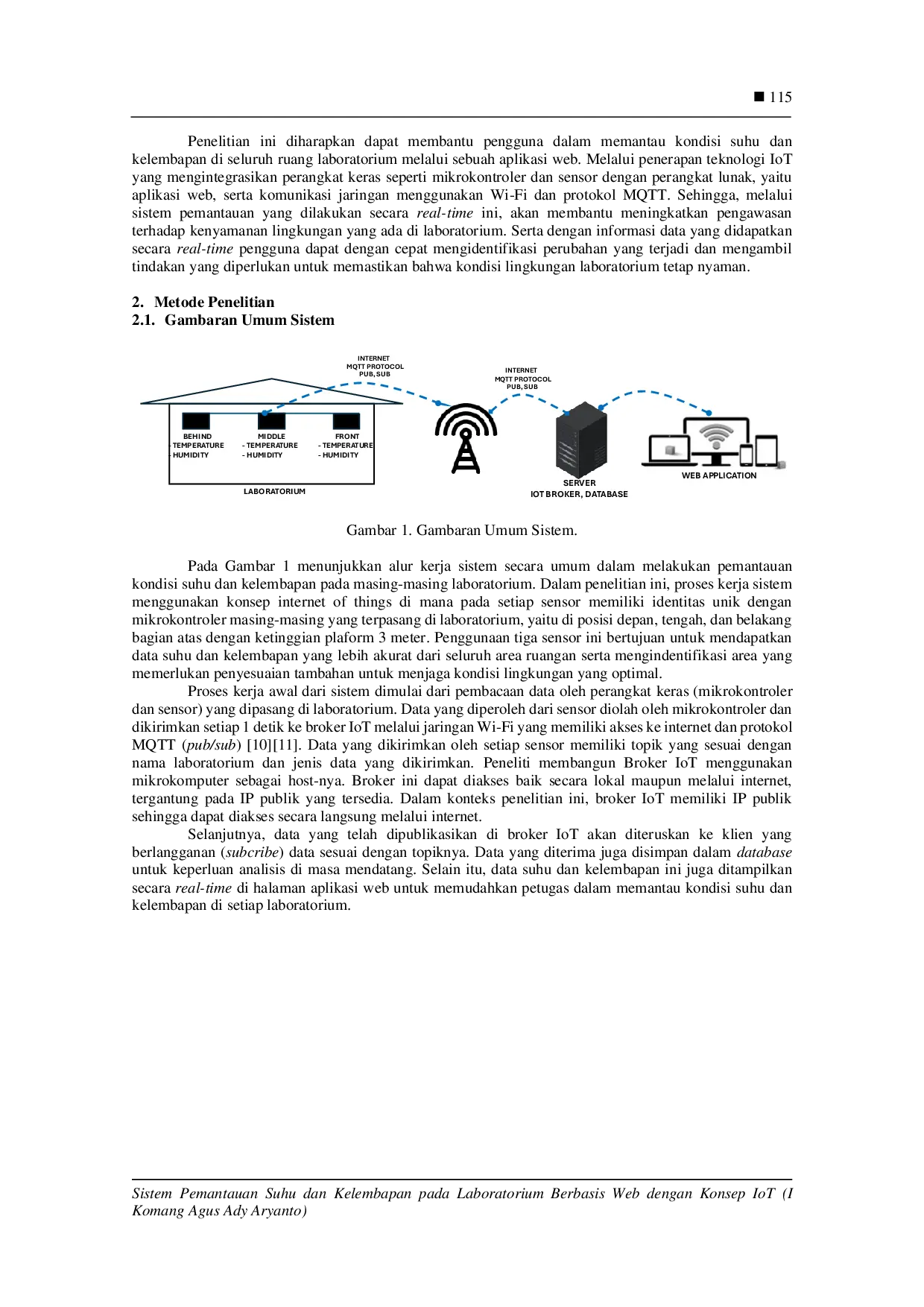
STIKOM BALISTIKOM BALI Oleh karena itu, peneliti melakukan penelitian untuk mengembangkan sebuah sistem yang dapat digunakan untuk mengukur suhu dan kelembapan dengan konsepOleh karena itu, peneliti melakukan penelitian untuk mengembangkan sebuah sistem yang dapat digunakan untuk mengukur suhu dan kelembapan dengan konsep
Useful /

UMYUMY Ekstraksi data mencakup jenis GAN, aplikasi biomedis, karakteristik dataset, metrik evaluasi, kekuatan, dan keterbatasan. Aplikasi dikategorikan, dan arsitekturEkstraksi data mencakup jenis GAN, aplikasi biomedis, karakteristik dataset, metrik evaluasi, kekuatan, dan keterbatasan. Aplikasi dikategorikan, dan arsitektur
STDIISSTDIIS Hasil penelitian menunjukkan bahwa eskalasi konflik di era global dengan beragam variannya menemukan resolusinya dengan memahami, menerapkan prinsip-prinsipHasil penelitian menunjukkan bahwa eskalasi konflik di era global dengan beragam variannya menemukan resolusinya dengan memahami, menerapkan prinsip-prinsip

STDIISSTDIIS Fasakh atau pembatalan perkawinan dalam Islam dilakukan apabila terdapat cacat atau ketidaksempurnaan yang menghalangi tercapainya tujuan pernikahan, sepertiFasakh atau pembatalan perkawinan dalam Islam dilakukan apabila terdapat cacat atau ketidaksempurnaan yang menghalangi tercapainya tujuan pernikahan, seperti

ALIMSPUBLISHINGALIMSPUBLISHING Penelitian ini menunjukkan bahwa pemahaman mendalam tentang sikap siswa terhadap bahasa Inggris sangat penting untuk merancang praktik pengajaran yangPenelitian ini menunjukkan bahwa pemahaman mendalam tentang sikap siswa terhadap bahasa Inggris sangat penting untuk merancang praktik pengajaran yang